Introduction
Generations of home cooks built intricate food cultures that connected families directly to their local soil. Fast-paced lifestyles and industrialized convenience items now push these cherished customs out of daily life.
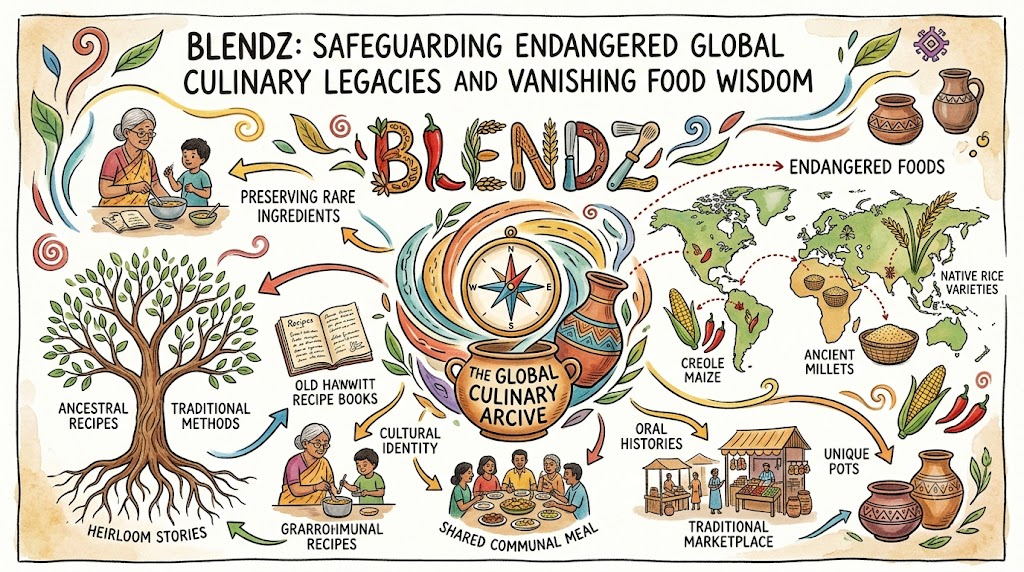
Consequently, traditional food recipes that sustained communities for centuries face quiet extinction. Blendz steps forward to safeguard this invaluable global archive, empowering modern home cooks to reclaim lost culinary arts and celebrate authentic flavors.
What Makes a Recipe “Forgotten”
Meals disappear when convenience takes precedence over craftsmanship. Quick-fix supermarket alternatives lure households away from multi-step cooking traditions that demand patience.
Because older generations communicated cooking secrets through demonstration rather than printed textbooks, busy lifestyles break this natural chain of transmission. These lost recipes contain vital botanical insights, ancient preservation methods, and seasonal agricultural knowledge that modern manufacturing completely ignores.
| Driving Factor | Mechanical Shift | Cultural Impact |
|---|---|---|
| Industrial Food Supply | Pre-packaged goods replace manual prep | Loss of culinary patience and technique |
| Oral-Only Teaching | Missing handwritten family documentation | Generational knowledge gaps in home kitchens |
| Monoculture Farming | Uniform commercial hybrids replace native crops | Extinction of indigenous heirloom produce |
Grandmother Recipes: The Original Food Archive
Matriarchs historically carried the most comprehensive kitchen archives in their everyday routines. They balanced complex sauces by aroma and judged dough consistency purely through tactile intuition.
Furthermore, grandmother recipes preserve domestic history that commercial culinary textbooks overlook. Safeguarding these time-tested preparations protects valuable lessons on natural nutrition, seasonal nourishment, and zero-waste home management.
- Sensory Seasoning: Adjusting spices by scent ensures balanced flavor profiles naturally.
- Probiotic Fermentation: Culturing wild starters enriches digestive health without chemical additives.
- Full-Plant Utilization: Cooking with peels, stems, and seeds embodies sustainable kitchen wisdom.
Ancient Recipes and the Ingredients Behind Them
Ancient societies crafted remarkably restorative dishes using the natural abundance of their native ecosystems. Cooks crushed wild grains on stone mills, fermented tubers in earthen pits, and extracted cold-pressed oils from regional botanicals.
Reviving ancient recipes reconnects modern cooks with rich agricultural heritage and clean, unadulterated nourishment. Integrating rare ingredients like heirloom grains and wild herbs revitalizes essential botanical biodiversity throughout the global food supply.
Ancestral Kitchen Workflow:
[Wild Foraged Produce & Heirloom Grains] ➔ [Earthen Pot Simmering] ➔ [Nutrient-Dense Living Food]
Festival Food Recipes: Where Culture and Cooking Meet
Milestone celebrations elevate everyday meals into profound cultural expressions. Communities gather around glowing hearths during sacred holidays, crafting festival food recipes to honor bountiful harvests and family bonds.
Sharing festive foods—from hand-pleated dumplings to aromatic spiced sweets—strengthens communal ties and passes heritage effortlessly to younger generations.
- Harvest Banquets: Preparing newly reaped grains to express gratitude for agricultural abundance.
- Equinox Feasts: Using fresh bitter herbs and sprouted legumes to mark seasonal renewal.
- Winter Solstice Meals: Simmering rich stews with warming spices to sustain health during cold months.
Traditional Recipes From Around the World
Studying traditional recipes from around the world reveals remarkable ingenuity across distant civilizations. Home chefs in Latin America, North Africa, and South Asia independently created comparable earthenware steaming and slow-roasting techniques.
Similarly, natural sourdough bread-making aligns closely with wild grain fermentation used in African flatbreads. Recognizing these global parallels deepens our appreciation for how different cultures solved the shared challenge of healthy sustenance.
Cross-Cultural Culinary Parallels:
- Mexico: Grinding roasted seeds, dried chilies, and pure cacao for rich celebration moles.
- India: Tempering whole spices in hot fats to build aromatic clay-pot curries.
- Ethiopia: Fermenting mineral-packed teff batter to produce light, tangy injera.
- Italy: Rolling rustic durum flour into diverse regional pasta shapes.
Why Preserving Food Heritage Matters Now
Standardized commercial diets threaten human wellness and ecological balance simultaneously. Industrial agriculture continuously replaces regional crop varieties with monoculture crops, driving rare plants toward extinction.
Documenting historical food heritage protects this essential botanical reservoir while providing practical answers to modern nutritional concerns.
Keeping the Story Alive, One Recipe at a Time
A culinary formula survives only when someone turns on the stove and prepares it today. Practicing forgotten recipes transforms written history into vibrant flavors, inviting aromas, and joyful gatherings.
Serving authentic meals at the dinner table fosters genuine pride in cultural roots, keeping historic cooking traditions dynamic and thriving.
- Record Family Elders: Interview older relatives to document their favorite dishes and preparation techniques.
- Standardize Measurements: Convert intuitive handfuls and pinches into clear kitchen measurements.
- Establish Heritage Nights: Cook traditional meals weekly to keep heirloom practices active at home.
Why Digital Archives Can Help
Paper recipe cards degrade, tear, and disappear over the decades, while digital repositories safeguard valuable knowledge indefinitely. Online platforms organize culinary traditions through searchable ingredient tags, cultural backgrounds, and specific kitchen methods.
Home cooks everywhere can instantly explore rare domestic dishes, sharing traditional culinary mastery across international boundaries.
Discover the World’s Culinary Heritage With Blendz
Blendz provides a comprehensive digital refuge for anyone passionate about discovering and safeguarding global culinary traditions. The platform categorizes thousands of regional dishes, ancestral cooking guides, and rare ingredient profiles into an intuitive directory.
Join Blendz to document your family’s authentic recipes and explore forgotten culinary arts from every corner of the world.
Frequently Asked Questions About Blendz
- What primary purpose drives the Blendz platform?
Blendz records, organizes, and protects endangered culinary traditions, ancestral ingredients, and home cooking knowledge worldwide.
- Why does Blendz prioritize documenting ancestral dishes?
Fast-paced lifestyles quickly displace traditional cooking, making organized digital preservation essential to save endangered cultural dishes.
- Can home cooks submit their own family recipes?
Blendz invites passionate community members to share their heirloom preparations alongside the cultural stories that define them.
- How does the platform categorize its culinary archive?
The directory organizes entries by geographical region, specific ingredients, historical eras, festive menus, and classic cooking techniques.
- Which unique food items does Blendz showcase?
Blendz profiles native wild greens, heirloom seeds, ancestral fermented starters, and cold-pressed botanical oils from historic farming regions.
- Can novice cooks easily follow these archived directions?
Clear, structured guidelines translate intuitive historic preparations into practical instructions that work seamlessly on modern stovetops.
- How does reviving historical cooking support global biodiversity?
Championing heirloom ingredients builds consumer demand for rare crops, encouraging sustainable farmers to cultivate diverse plant varieties.
- Does the collection feature traditional holiday preparations?
Blendz curates an extensive index of ceremonial dishes, holiday banquets, and harvest recipes from diverse world cultures.
- How does Blendz ensure the historical precision of submissions?
Culinary historians and cultural specialists review community entries to maintain cultural integrity and recipe accuracy across the platform.
- Does accessing the Blendz database require paid membership?
Anyone passionate about culinary preservation, home cooking, and history can freely browse the full database without paying fees.
Final Thoughts
Authentic cooking roots human beings deeply within their soil, culture, and communal history. Abandoning ancestral kitchen practices discards generations of sustainable farming wisdom, dietary mastery, and family storytelling.
Preparing these vintage meals at home honors the resourceful cooks who perfected them over generations. Blendz continues to preserve these irreplaceable kitchen arts, ensuring authentic global food traditions enrich tables for generations to come.
