Introduction
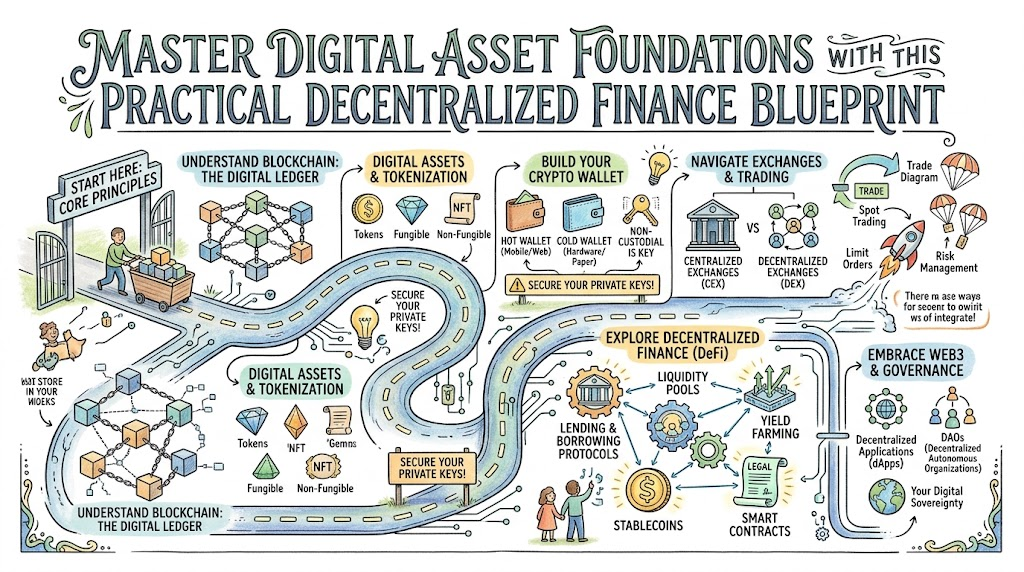
Navigating modern decentralized markets presents steep hurdles whenever complex terminology obscures simple mechanics. Aspiring investors frequently stall because technical jargon hides how these networks actually operate. You bypass this barrier by systematically learning the functional tools behind distributed ledgers. This foundational knowledge safeguards your capital while building genuine operational competence. The step-by-step framework below breaks down critical network properties, secure private key handling, and exchange platforms into clear, actionable lessons.
Understanding Cryptocurrency
Digital tokens replace legacy government-backed fiat tender with transparent, sovereign computational cash. Central monetary institutions print paper currency arbitrarily, whereas distributed networks govern asset supplies through predictable mathematical rules. Thousands of independent computer operators validate and synchronize transaction histories across a public register without intermediate banking houses. Cutting out these traditional middlemen gives everyday participants total ownership over their personal funds. Exploring cryptocurrency for beginners starts with recognizing this structural move toward borderless financial autonomy.
How Blockchain Technology Works
Distributed databases document verified digital activity across an unbroken chronological chain. Participating network validators bundle valid user payments into distinct cryptographic containers called blocks. Cryptographic mathematics bind every newly formed block directly to its predecessor, creating an unalterable transaction ledger. If a malicious participant tries to manipulate a previous entry, every subsequent cryptographic calculation breaks immediately, prompting the entire network to reject the attack. Mechanisms like Proof of Work and Proof of Stake ensure comprehensive ledger accuracy without bureaucratic intervention.
Bitcoin for Beginners
An anonymous programmer known as Satoshi Nakamoto created the first functional peer-to-peer electronic currency to combat systemic currency debasement. The underlying software hardcodes a lifetime supply limit of 21 million units, producing digital rarity that central printing authorities cannot undermine. Observers frequently describe the network as digital gold because its predetermined issuance calendar shields real purchasing power over long periods. Studying Bitcoin for beginners establishes the primary intellectual baseline you need to evaluate subsequent blockchain innovations effectively.
What Is a Crypto Wallet?
Contrary to common assumptions, digital wallets do not physically store digital tokens; rather, they hold private cryptographic credentials that prove network ownership. If you misplace these secret keys, you forfeit permanent access to your blockchain assets.
- Software Interfaces: Smartphone apps, desktop programs, and browser extensions that grant instant access for rapid trading or decentralized application interaction.
- Hardware Units: Dedicated offline electronic equipment that isolates secret keys from remote malicious software.
| Storage Category | Primary Hazard | Convenience Level | Optimal Strategy |
|---|---|---|---|
| Software Clients | Phishing exploits & malware | Instant online access | Daily transactions & small balances |
| Hardware Devices | Physical loss or damage | Requires manual button confirmation | Long-term asset preservation |
| Paper Backups | Fire, water, physical degradation | Zero online accessibility | Deep-freeze disaster recovery |
Crypto Security Every Beginner Should Understand
Novice users lose capital through careless operational mistakes far more often than protocol-level software exploits. Because blockchain transactions are mathematically permanent, no customer service department can ever reverse a fraudulent transfer. You must transcribe your 12-to-24-word recovery phrase onto physical paper or stamp it into stainless steel, storing it far away from camera lenses, email servers, and cloud drives.
- Activate app-based multi-factor authentication across every exchange account while avoiding vulnerable SMS options.
- Verify individual character strings on recipient addresses along with network routing layers before confirming outgoing payments.
- Set up disposable secondary accounts when experimenting with new smart contracts to shield your primary holdings from malicious permissions.
Crypto Trading for Beginners
Financial speculation requires sharp emotional control, methodical patience, and clear tactical planning from every trader. Rushing into speculative trades without established guidelines quickly drains beginner portfolios. Individuals exploring crypto trading for beginners must prioritize straightforward spot trades where they buy and hold the underlying asset outright. Instant market orders execute purchases immediately, while customized limit orders secure positions only when asset prices fall to preselected values. Enforcing strict downside limits and using protective stop-loss triggers preserves capital during turbulent market swings.
How a Cryptocurrency Exchange Works
Digital marketplaces connect buyers and sellers within deep liquidity pools to swap conventional cash for digital assets. Automated matching engines continuously pair bid and ask quotes to determine live market rates.
- Centralized Platforms: Commercial companies that custody balances, supply accessible customer interfaces, and perform identity compliance checks.
- Decentralized Protocols: Autonomous smart contract systems that execute peer-to-peer transactions directly from personal wallets without corporate overseers.
Carefully evaluate custodial practices, external balance sheet audits, and trade depth before moving your capital onto any marketplace.
Ethereum and Smart Contracts
The Ethereum blockchain expands beyond basic electronic currency by operating as an open, global supercomputer. Software engineers deploy automated scripts called smart contracts that execute without corporate middlemen. These independent programs run predefined commands automatically whenever parties satisfy verified parameters. This setup eliminates conventional escrow firms, loan review panels, and bureaucratic paper pushers. Understanding its gas fee dynamics and virtual machine architecture unlocks direct access to modern decentralized software applications.
Exploring Decentralized Finance
Decentralized finance transforms conventional banking products into open software tools that run continuously on public blockchains. Individuals lend assets, provide pool liquidity, and earn yield directly without submitting financial disclosures or credit scores. Algorithmic protocols manage automatic market pools, allowing direct token swaps around the clock. Nevertheless, users must balance these benefits against serious risks like smart contract software bugs, unexpected liquidity drains, and protocol exploits.
Web3 for Beginners
Digital infrastructure is shifting away from centralized media corporations toward decentralized, user-run applications. Early commercial platforms trapped audience engagement inside closed proprietary networks, extracting maximum financial value from consumer data. Discovering Web3 for beginners reveals how public cryptographic profiles restore control over personal identities, proprietary content, and online reputations. Community-run governance systems allow platform users to vote directly on software updates using governance tokens, realigning builder and user incentives.
A Practical Learning Path for New Crypto Users
Building real operational skills demands an orderly approach that keeps you from making preventable errors. Adopting methodical milestones accelerates your real-world capability:
- Grasp Foundational Principles: Study consensus methods, cryptographic hashing, and network distribution thoroughly before committing any funds.
- Configure Non-Custodial Storage: Download a reputable open-source wallet and manually transcribe your backup seed phrase on physical media.
- Execute Micro-Transactions: Purchase a small token balance on an exchange, withdraw it to your hardware or software wallet, and inspect the verification on a public ledger explorer.
- Interact With Protocols: Connect your wallet securely to an established protocol to swap a minor amount or cast a governance vote.
Common Mistakes to Avoid
Beginners routinely buy speculative low-liquidity assets based on social media hype, ignoring developer transparency, token supply schedules, and code reviews. Many investors also leave substantial funds sitting on centralized exchanges indefinitely, failing to recognize platform insolvency risks. Memorize the fundamental industry guideline: if you do not control the private keys, you do not truly own the underlying coins. Furthermore, never click unsolicited links in group forums, because bad actors routinely run deceptive scripts that drain your wallet permissions.
How CryptoBlockCoins Can Help
CryptoBlockCoins provides direct, accessible educational resources that guide learners through every corner of the decentralized ecosystem. The team translates dense technical theory into step-by-step walk-throughs so you can engage with open networks safely. You receive practical training on configuring cold hardware storage, evaluating network health, and managing downside exposure methodically. These structured guides equip you with the practical tools required to explore digital assets with absolute confidence.
Frequently Asked Questions About CryptoBlockCoins
1. What primary goal does CryptoBlockCoins pursue?
The platform creates clear educational tutorials covering distributed ledgers, private key storage, trade basics, and defensive habits for everyday learners.
2. Does the website provide specific financial or trading advice?
No, the platform focuses strictly on technical literacy and software research, leaving every investment choice to personal reader discretion.
3. Which storage option does CryptoBlockCoins recommend for long-term reserves?
Hardware-based cold wallets provide the strongest security because they isolate secret cryptographic keys away from web-connected vulnerabilities.
4. How do the platform guides teach users to handle market risk?
Our guides highlight simple spot purchases, technical chart analysis, conservative position sizing, and mandatory stop-loss orders instead of dangerous leverage products.
5. Can someone understand smart contracts without any programming background?
Yes, the tutorials explain smart contract systems and Ethereum network mechanics using clear, plain language that requires no coding skills.
6. Which operational habit does the site identify as most critical?
Record your secret recovery seed phrase on physical, non-digital surfaces, because anyone who accesses those words takes total control of your funds.
7. How do the platform resources differentiate legacy web apps from decentralized protocols?
The tutorials demonstrate how legacy networks exploit private user profiles, whereas decentralized tools return ownership of data and assets to users.
8. Can non-technical newcomers follow the educational walkthroughs?
Every lesson pairs clear language with relatable comparisons and step-by-step guides, ensuring absolute beginners grasp technical subjects quickly.
9. Why should newcomers focus on spot trading before attempting derivatives?
Spot purchases provide actual token custody without liquidation threats, giving beginners a controlled space to learn market price behavior safely.
10. How can a complete novice begin learning blockchain mechanics today?
Review fundamental decentralization principles, create a non-custodial wallet backed up offline, and execute a tiny test transfer to build practical experience.
Final Thoughts
Thriving across decentralized ecosystems requires steady patience, disciplined risk management, and constant curiosity. Market conditions change rapidly, so building solid technical understanding acts as your ultimate defense against unexpected volatility. Keep your private keys under personal offline custody, practice rigorous operational habits, and expand your technical knowledge deliberately to build lasting financial independence across the digital economy.

