Introduction
Modern software engineering environments require continuous learning and precise performance metrics to maintain high efficiency. Engineering teams often struggle to bridge the gap between theoretical knowledge and practical execution, which slows down delivery cycles significantly. Therefore, professionals need an integrated environment where they can master complex deployment methodologies while accurately tracking team capabilities. By utilizing the comprehensive educational resources available at Best DevOps, individuals can seamlessly upgrade their technical skill sets and streamline operational workflows. This platform establishes a clear roadmap for mastering modern automation pipelines while ensuring that engineering standards remain exceptionally high across the entire organizational infrastructure.
Concurrently, tech leaders face massive challenges when trying to measure the actual productivity and technical health of their engineering squads without disrupting creative workflows. Traditional metrics often fail to capture the true velocity and skill distribution within modern cross-functional software teams. Because of this visibility gap, organizations must adopt advanced assessment engines that evaluate real-time engineering capabilities alongside continuous learning frameworks. Merging structured education with intelligent data analytics empowers enterprises to build highly resilient systems and eliminate engineering bottlenecks effectively.
What Is BestDevOps
BestDevOps serves as a premier educational ecosystem specifically designed to transform ambitious engineers into highly proficient automation and infrastructure experts. Instead of offering fragmented tutorials, the platform provides a cohesive, end-to-end framework that covers the entire software development lifecycle. Students engage with deeply detailed modules that explain continuous integration, continuous delivery, cloud architecture, and infrastructure as code. Consequently, the platform eliminates the confusion often associated with learning disparate operations technologies by unifying them into a structured, linear educational pathway.
Furthermore, this platform continuously updates its comprehensive repository to reflect the evolving standards of the modern software industry. Learners do not just memorize commands; instead, they master the architectural patterns required to design scalable, fault-tolerant infrastructure systems. Every module focuses on real-world applicability, ensuring that engineers understand the underlying mechanics of containerization, orchestration, and automated monitoring systems. Through this rigorous approach, the platform successfully transforms conceptual knowledge into actionable operational expertise for engineers globally.
Why the Industry Needs Platforms Like BestDevOps
The rapid acceleration of cloud migration has created a critical shortage of skilled professionals who truly understand automated infrastructure management. Many companies adopt complex cloud-native architectures but fail to realize their full potential due to severe internal skills gaps. Because technology evolves at a breakneck pace, traditional educational institutions cannot keep up with the practical demands of modern engineering teams. As a result, the industry desperately requires specialized platforms that deliver up-to-date, deeply technical, and easily digestible operational knowledge.
Additionally, organizations frequently suffer from fragmented engineering practices where developers and operations teams operate in isolated silos. This lack of alignment leads to frequent deployment failures, longer recovery times, and decreased product delivery velocity. Platforms like this bridge the systemic divide by instilling a unified cultural and technical mindset across the entire engineering department. By democratizing deep operational knowledge, the platform enables organizations to deploy software faster, minimize system downtime, and maintain high security standards.
Learn DevOps in a Structured Way
Embarking on an infrastructure engineering journey without a clear roadmap often leads to information overload and professional burnout. This platform solves the problem by organizing its vast curriculum into sequential, highly logical learning blocks that build upon one another. Students begin with fundamental scripting and version control concepts before advancing to complex multi-cloud deployments and automated testing strategies. Therefore, learners can systematically master intricate technical ecosystems without feeling overwhelmed by the sheer volume of tools.
Moreover, this structured methodology ensures that fundamental concepts are deeply solidified before advanced topics are introduced to the student. Each phase of the curriculum contains specific milestones that validate a learner’s comprehension and practical execution capabilities. By following this carefully curated pathway, engineers avoid common educational pitfalls and save hundreds of hours of unguided searching. Ultimately, this disciplined structure builds immense technical confidence, allowing professionals to tackle complex architectural challenges with absolute precision.
Understand Real Tools and Where They Fit
The modern automation landscape contains hundreds of specialized tools, leaving many engineers confused about which technologies to implement. This platform provides absolute clarity by demonstrating exactly where each tool fits within a standard production deployment pipeline. Students learn the distinct differences between various continuous integration servers, configuration management engines, and container orchestration platforms. Consequently, engineers develop the critical thinking skills required to select the right tool for specific organizational requirements.
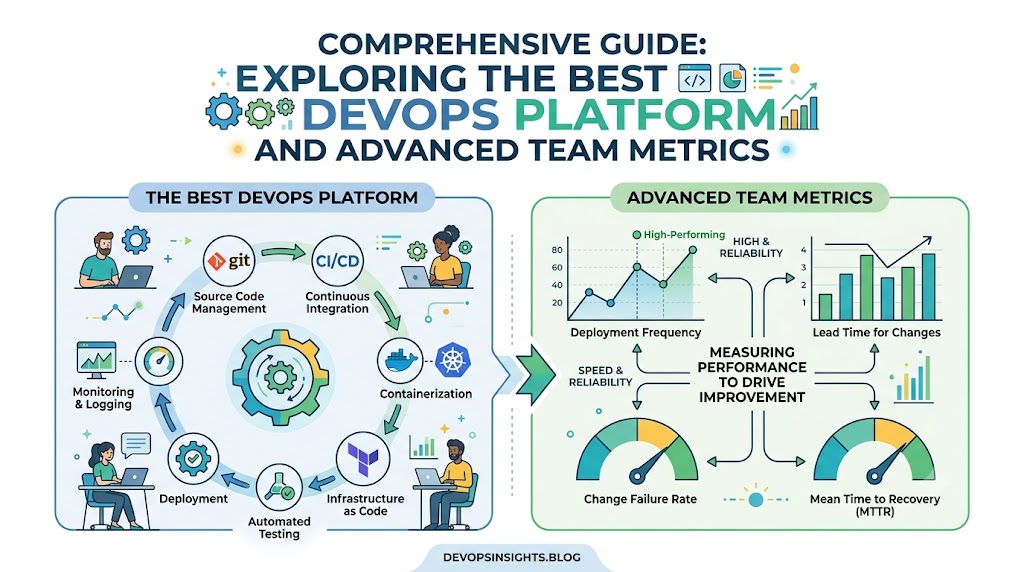
In addition to tool selection, the curriculum emphasizes the seamless interoperability between different components of an infrastructure stack. For instance, learners discover how version control repositories trigger automated builds, which then feed into container registries and automated deployment systems. Understanding these vital connection points allows engineers to build highly resilient, loosely coupled pipelines that resist systemic failures. This deep conceptual clarity transforms students from simple tool operators into highly capable enterprise infrastructure architects.
Prepare for Interviews and Certifications
Securing a high-level operational role requires both comprehensive technical knowledge and the ability to articulate complex concepts clearly under pressure. This platform features extensive preparation modules specifically designed to help engineers excel in rigorous technical interviews and industry-standard certifications. Users gain access to real-world scenarios, architectural design challenges, and deep-dive technical questions frequently asked by elite technology firms. As a result, candidates can enter their evaluation processes with a profound understanding of what hiring managers expect.
Simultaneously, the targeted coursework aligns directly with the objectives of major cloud and infrastructure certification pathways globally. By completing the comprehensive study guides and practice evaluations, learners drastically increase their chances of passing difficult professional exams. The material focuses on the practical logic behind exam objectives, ensuring long-term retention rather than temporary memorization. Consequently, certified individuals can immediately apply their validated skills to solve complex infrastructure problems on day one of their jobs.
Learn Through Practical Projects
Theoretical reading alone cannot prepare an engineer for the unpredictable challenges of managing live production environments. For this reason, the platform places an immense emphasis on immersive, project-based learning experiences that mirror actual corporate infrastructures. Learners build complete, automated deployment pipelines, configure highly available clusters, and implement comprehensive monitoring solutions from scratch. These rigorous exercises force students to troubleshoot real-world errors, misconfigurations, and network connectivity issues independently.
By working through these practical scenarios, engineers develop the crucial diagnostic skills that distinguish senior professionals from juniors. Each completed project serves as a concrete portfolio piece that demonstrates verifiable technical capability to prospective employers or internal stakeholders. Students gain firsthand experience managing infrastructure as code, handling database migrations dynamically, and securing secret credentials within automated workflows. This hands-on approach ensures that learners are fully prepared to manage high-traffic production environments reliably.
The Key Topics Covered by BestDevOps
The expansive curriculum covers every critical domain necessary to establish a highly successful infrastructure career in the modern enterprise. Students dive deep into advanced version control strategies, automated testing paradigms, and comprehensive continuous integration framework architectures. Furthermore, the platform provides extensive training on containerization ecosystems, microservices management, and enterprise-grade container orchestration methodologies. The table below outlines the core learning modules and their primary technical focuses across the educational platform:
| Core Learning Module | Primary Technical Focus | Key Practical Outcome |
|---|---|---|
| Infrastructure as Code | Declarative provisioning, configuration management | Repeatable, automated environment creation |
| CI/CD Pipeline Engineering | Automated build systems, artifact management, delivery | Rapid, low-risk software deployment cycles |
| Cloud Native Architecture | Multi-cloud strategy, serverless, microservices | Scalable, highly available system designs |
| Observability & Monitoring | Metrics collection, log aggregation, alerting systems | Proactive issue detection and rapid debugging |
Beyond these fundamental pillars, the platform dedicates significant resources to modern security practices, often referred to as DevSecOps. Learners discover how to integrate automated security scanning directly into their deployment pipelines to catch vulnerabilities early. They also explore advanced cloud networking concepts, load balancing strategies, and high-performance database tuning methodologies. This all-encompassing technical coverage ensures that graduates possess a well-rounded understanding of both development workflows and system operations.
Where DevOpsIQ Fits In
While individual education builds the foundation of a great engineering department, organizations need a way to measure aggregate technical capability. This is exactly where DevOpsIQ introduces immense value by acting as the analytical engine that evaluates organizational engineering intelligence. While individual engineers utilize learning platforms to upgrade their skills, leadership uses this diagnostic framework to measure team proficiency. Therefore, it serves as the essential bridge connecting individual talent development with objective corporate performance analytics.
This intelligence platform integrates seamlessly into existing engineering workflows to gather objective data regarding deployment frequencies and code quality. It removes the guesswork from engineering management by providing clear data visualizations of a team’s technical strengths and hidden operational weaknesses. By placing this analytical layer over daily engineering activities, companies can pinpoint exactly where processes stall or where additional training is required. Ultimately, it transforms qualitative management assumptions into quantitative, actionable engineering insights.
What DevOpsIQ Measures
The analytical engine focuses on key performance indicators that directly correlate with high-performing software development organizations. It tracks vital deployment metrics, system stability indicators, and the average time it takes for code changes to reach production. Additionally, the platform measures the efficiency of the peer review process and identifies codebases suffering from high technical debt. By monitoring these critical variables, leaders receive an accurate representation of their software delivery velocity and overall system reliability.
[Code Commit] ---> [Automated Review] ---> [Pipeline Efficiency] ---> [Production Deployment]
                         |                         |                         |
                         v                         v                         v
                 (Quality Metrics)        (Velocity Tracking)       (Stability Analytics)
Furthermore, the platform analyzes team adaptability by measuring how quickly developers resolve unexpected production outages and system vulnerabilities. It evaluates the distribution of technical tasks to ensure that knowledge is not dangerously concentrated in a single individual. This comprehensive measurement strategy helps leadership identify systemic bottlenecks before they result in major project delays or catastrophic system failures. Consequently, organizations can maintain a stable, highly predictable software delivery pipeline that meets customer demands consistently.
Why Timelines Matter in Engineering Intelligence
Measuring technical capability at a single point in time provides an incomplete and often misleading picture of an organizational health status. Engineering intelligence relies heavily on historical timeline analysis to identify long-term trends, patterns, and behavioral shifts within development teams. By tracking metrics over extended periods, leaders can determine whether software delivery performance is genuinely improving or steadily decaying. Therefore, timeline data allows management to evaluate the long-term efficacy of new tools, architectural shifts, and training programs.
Moreover, timeline analytics help organizations anticipate cyclical productivity patterns and plan major feature releases with far greater accuracy. For example, understanding how code velocity fluctuates during specific quarters enables managers to allocate resources more effectively. It also provides early warning signs of developer burnout by highlighting sustained drops in deployment frequency or sudden increases in error rates. Evaluating data across a clear timeline ensures that strategic engineering decisions are based on stable trends rather than temporary anomalies.
BestDevOps for Individuals, DevOpsIQ for Teams, Stronger Together
The true magic happens when an organization combines individual skill acquisition with advanced team performance analytics simultaneously. Individual engineers utilize the educational platform to master new automation technologies, cloud architectures, and modern security protocols independently. Meanwhile, the intelligence engine monitors team output to verify that those newly acquired skills are translating into faster, safer deployments. This powerful combination creates a continuous loop of learning, application, measurement, and refinement across the entire department.
When these two methodologies work in unison, organizations eliminate the common frustration of investing in training programs that yield no measurable business results. Leadership can directly see how completing specific educational modules correlates with a reduction in production errors and deployment lead times. This integrated approach fosters a high-performance culture where engineers feel supported in their professional growth while remaining accountable to objective team standards. Ultimately, this synergy elevates the entire engineering department to elite levels of operational efficiency.
How BestDevOps Supports Modern Engineering Roles
Modern enterprise structures require diverse technical roles, each demanding a unique combination of development and operational skills. The educational platform accommodates these varied requirements by offering tailored learning pathways suited for specific professional functions. Whether a professional focuses on writing feature code or securing infrastructure, the platform provides targeted deep dives. The bullet points below highlight how different engineering roles maximize their utility through this comprehensive ecosystem:
- Software Developers: They learn to write highly deployable code, understand containerization container mechanics, and master local development workflows that mirror production environments perfectly.
- Site Reliability Engineers: They gain deep insights into high-availability architecture designs, advanced incident response mechanisms, and comprehensive system monitoring strategies.
- Cloud Architects: They master the art of designing complex multi-cloud systems, managing massive infrastructure scaling demands, and optimizing cloud expenditures efficiently.
- Security Professionals: They discover how to embed automated vulnerability scanning, compliance checks, and secret management protocols directly into continuous integration pipelines.
By catering to these distinct engineering disciplines, the platform ensures that every team member speaks the same operational language. This shared knowledge base drastically reduces friction during cross-functional projects and accelerates complex system migrations. Everyone from junior developers to principal architects can find highly relevant, deeply technical content that directly enhances their daily job performance.
Why This Matters for Engineering Productivity
In the hyper-competitive technology landscape, engineering productivity directly dictates an organization’s overall market velocity and innovation potential. When developers waste hours fighting broken deployment pipelines or misconfigured environments, company innovation completely stalls. By providing immediate access to clear architectural guidance, this platform eliminates the frustrating guesswork that slows down software creation. Consequently, engineers spend substantially less time troubleshooting environment issues and significantly more time shipping valuable consumer features.
Furthermore, high operational productivity exerts a powerful, positive psychological impact on the engineering team’s morale and retention rates. Engineers thrive when they can deploy their code safely, frequently, and without manual, error-prone interventions. By implementing the modern automation practices taught across the platform, organizations significantly reduce deployment anxiety and operational burnout. This culture of smooth, automated execution attracts top-tier talent and allows enterprises to scale their digital infrastructure effortlessly.
A Practical Use Case, Learning and Measurement in One Flow
Consider a mid-sized enterprise experiencing frequent downtime during major software releases due to manual environment configurations. To resolve this problem, the engineering leadership decides to implement a unified learning and measurement strategy across their entire department. First, the development team completes the advanced infrastructure as code modules on the educational platform to automate environment provisioning completely. This collective educational push ensures that every engineer understands how to define infrastructure using clean, declarative configuration files.
Simultaneously, management activates the intelligence engine to track the team’s operational velocity as they deploy this new automated infrastructure. Within weeks, the analytical dashboard displays a dramatic drop in environment configuration errors and a substantial increase in deployment frequency. The leadership team can objectively verify that their educational investment successfully eliminated the manual bottlenecks plaguing their delivery pipeline. This practical flow clearly demonstrates how structured learning combined with intelligent tracking creates a fast, highly predictable software delivery machine.
What Makes BestDevOps Different
Many educational platforms offer generic, shallow overviews of technology tools without explaining how they operate under heavy production loads. This platform completely stands out by delivering hyper-detailed, enterprise-grade scenarios that challenge engineers to think deeply about system architecture. The content focuses intensely on the underlying design philosophies of automation tools rather than just teaching syntax memorization. Therefore, students develop a deep, foundational understanding of infrastructure concepts that remain highly relevant even as individual tools change.
Additionally, the platform completely avoids marketing fluff and unrealistic hype, focusing instead on practical, battle-tested operational engineering realities. The curriculum is built and maintained by seasoned production veterans who have managed massive cloud infrastructures for global enterprises. Learners receive unfiltered insights into real-world operational failure modes, security pitfalls, and cost optimization challenges that standard tutorials completely ignore. This dedication to authentic, deep-dive technical education ensures that users gain genuine, career-defining operational engineering capabilities.
Frequently Asked Questions About BestDevOps
- What is the primary objective of the BestDevOps educational platform?The primary objective is to provide structured, comprehensive, and deeply practical engineering education that empowers individuals to master modern automation, cloud architecture, and continuous delivery workflows.
- Does the curriculum accommodate absolute beginners who have no prior programming experience?While the platform covers foundational elements, it maximizes its value for individuals who possess a basic understanding of computer systems, networking concepts, or fundamental software development practices.
- Are the practical projects based on real-world enterprise infrastructure scenarios?Yes, all practical projects simulate actual corporate environments, forcing learners to build automated pipelines, manage container clusters, and solve realistic configuration errors independently.
- How does DevOpsIQ complement the learning resources provided by BestDevOps?DevOpsIQ acts as the analytical intelligence engine that measures team deployment velocity and codebase stability, ensuring that individual technical training translates directly into organizational productivity.
- Can corporate teams use these platforms together to accelerate their cloud migration initiatives?Absolutely, businesses utilize the educational platform to upskill their staff while simultaneously leveraging the intelligence framework to track operational performance and eliminate deployment bottlenecks.
- Are the cloud architecture modules focused on a single specific cloud vendor?No, the curriculum emphasizes cloud-agnostic architectural principles and multi-cloud strategies, teaching students how to deploy robust applications across various major global cloud providers.
- How frequently is the technical content updated to reflect changing industry standards?The production veterans who maintain the curriculum continuously update the modules to ensure that all tools, security practices, and architectural methodologies match current enterprise environments.
- Does the platform offer specific preparation materials for professional technology certifications?Yes, it includes targeted study guides, practice scenarios, and deep architectural questions designed to help engineers pass rigorous industry-standard certification exams successfully.
- What metrics does the analytical intelligence engine use to evaluate team performance?The engine tracks critical key performance indicators including deployment frequency, code review efficiency, pipeline failure rates, and the average lead time required for code changes to reach production.
- Is there a heavy focus on security practices within the automation pipelines?Yes, the platform integrates comprehensive DevSecOps methodologies throughout the curriculum, teaching students how to embed automated security scans and compliance checks directly into their workflows.
Final Thoughts
Navigating the modern software development landscape requires an unwavering commitment to both continuous technical education and precise operational measurement. Individual engineers must constantly refine their mastery of complex automation tools, cloud architectures, and robust security workflows to stay relevant. Simultaneously, organizations must abandon outdated gut-feeling management practices in favor of objective, data-driven engineering intelligence metrics. By blending deep, structured technical education with advanced team performance analytics, enterprises can build highly resilient infrastructure systems that power long-term business success. Embracing this dual approach to learning and measurement ensures that engineering teams remain highly productive, perfectly aligned, and fully capable of conquering any modern digital challenge.

